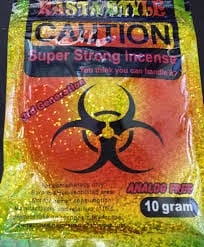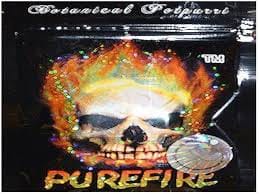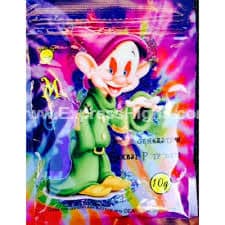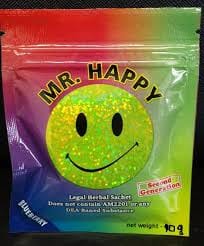
Description
Blue Crystal Meth: What You Need to Know — Risks, Signs, and Help
Note: This article is for educational purposes only. It does not provide instructions for manufacture, procurement, or use of illegal substances. If you or someone you know is in immediate danger, call local emergency services right away.
Overview
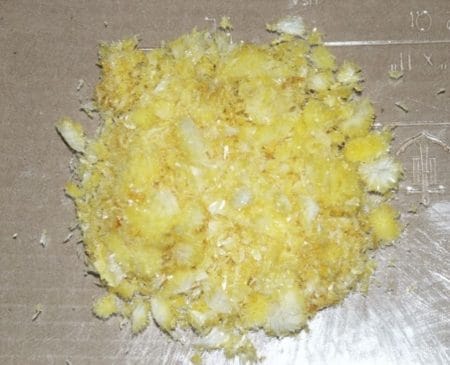
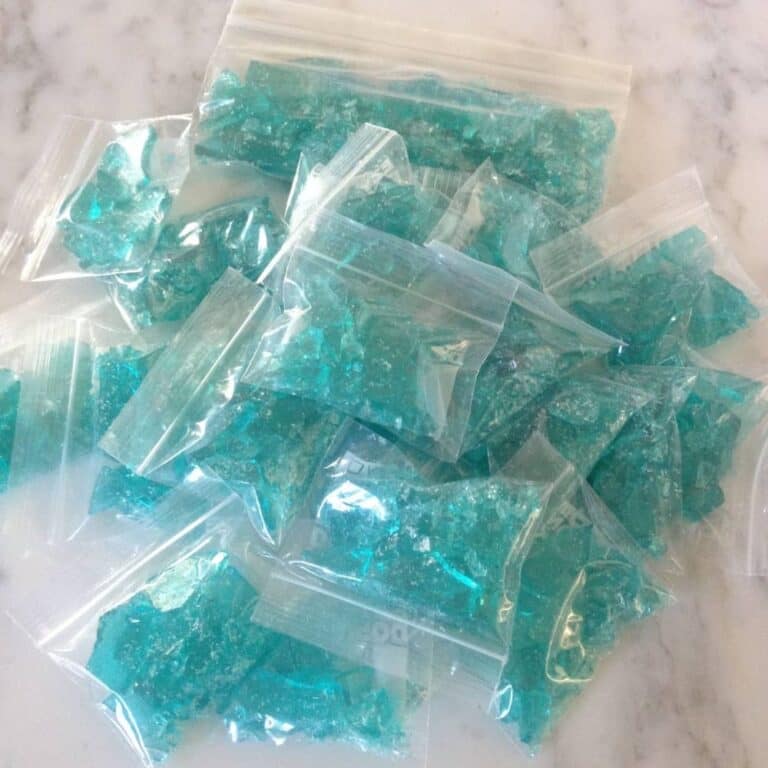
“Blue crystal meth” is a street term sometimes used to describe certain forms of methamphetamine sold illicitly. Methamphetamine is a powerful central nervous system stimulant associated with high risk of addiction, severe health harms, and serious legal consequences.
Health Risks and Short-Term Effects
Methamphetamine can cause a range of dangerous short-term effects, including:
- Rapid heartbeat, elevated blood pressure, and hyperthermia
- Agitation, paranoia, hallucinations, and violent behavior
- Seizures or stroke in severe cases
- Risk of overdose requiring emergency medical attention
Long-Term Harms
Long-term methamphetamine use can produce chronic and sometimes irreversible harms:
- Severe dental problems (“meth mouth”), skin sores, and weight loss
- Persistent mood disorders, anxiety, and cognitive decline
- Increased risk of infectious disease from unsafe behavior
- Social, occupational, and legal consequences
Recognizing Signs of Use and Addiction
Common signs that someone may be using or dependent on stimulants include:
- Dramatic changes in sleep patterns — staying awake for long periods
- Unexplained weight loss and neglect of personal hygiene
- Paranoia, suspiciousness, or sudden aggressive behavior
- Frequent mood swings, anxiety, or hallucinations
- Financial problems, social isolation, or legal troubles
Treatment Options and Support
Treatment is available and often involves a combination of medical care, counseling, and social support. Evidence-based approaches include:
- Detoxification and medical monitoring for withdrawal complications
- Behavioral therapies (cognitive behavioral therapy, contingency management)
- Peer support groups and community recovery services
- Integrated care for co-occurring mental health or medical conditions
If you are seeking help, reach out to local health services, addiction specialists, or national helplines. Confidential support can connect you with treatment programs and immediate resources.
Legal Consequences
Possession, distribution, or manufacture of methamphetamine is illegal in most jurisdictions and carries serious penalties, including imprisonment, fines, and a lasting criminal record. Laws vary by country and state — consult local legal resources for specifics.
Harm-Reduction and Safety Tips (Non-Instructional)
The most effective way to avoid harm is not to use illegal stimulants. For people who are struggling with substance use, these non-actionable harm-reduction steps may reduce risk and encourage seeking professional help:
- Stay connected with trusted friends or family; isolation increases risk
- Seek medical or mental health support early if you notice troubling symptoms
- Use local addiction services to get confidential advice on treatment options
- If you witness an overdose or someone in distress, call emergency services immediately
Further Reading & Resources
For more information about substance use, treatment, or recovery resources, you may find the following sites helpful as starting points (these are provided as references and not endorsements):
- mrhighsprey.com — reference link
- incenceshigh.com — reference link
- k2herbalcartel.com — reference link
When to Call for Immediate Help
If someone shows signs of serious overdose or life-threatening symptoms — unconsciousness, difficulty breathing, chest pain, seizures, or extreme confusion — call emergency services right away.